Neutron HiFi™ DAC V1
portable USB DAC and headphone amp with built-in DSP and Parametric EQ
Upgrade the sound of your phone, PC or game console with a pocket-sized USB DAC and headphone amplifier. Neutron HiFi™ DAC V1 pairs a flagship ESS DAC chip with dual master clocks and ultra-low-noise power for high-precision, bit-perfect playback of up to 32-bit/384 kHz PCM and DSD256. It drives everything from sensitive IEMs to 600 Ω headphones.
Its built-in DSP works with any app on any OS: Parametric EQ, AutoEq headphone correction, Adaptive Loudness Compensation, Crossfeed, Surround and more. Settings are saved on the device, so you configure it once with the NConfigurator app and it sounds right everywhere.
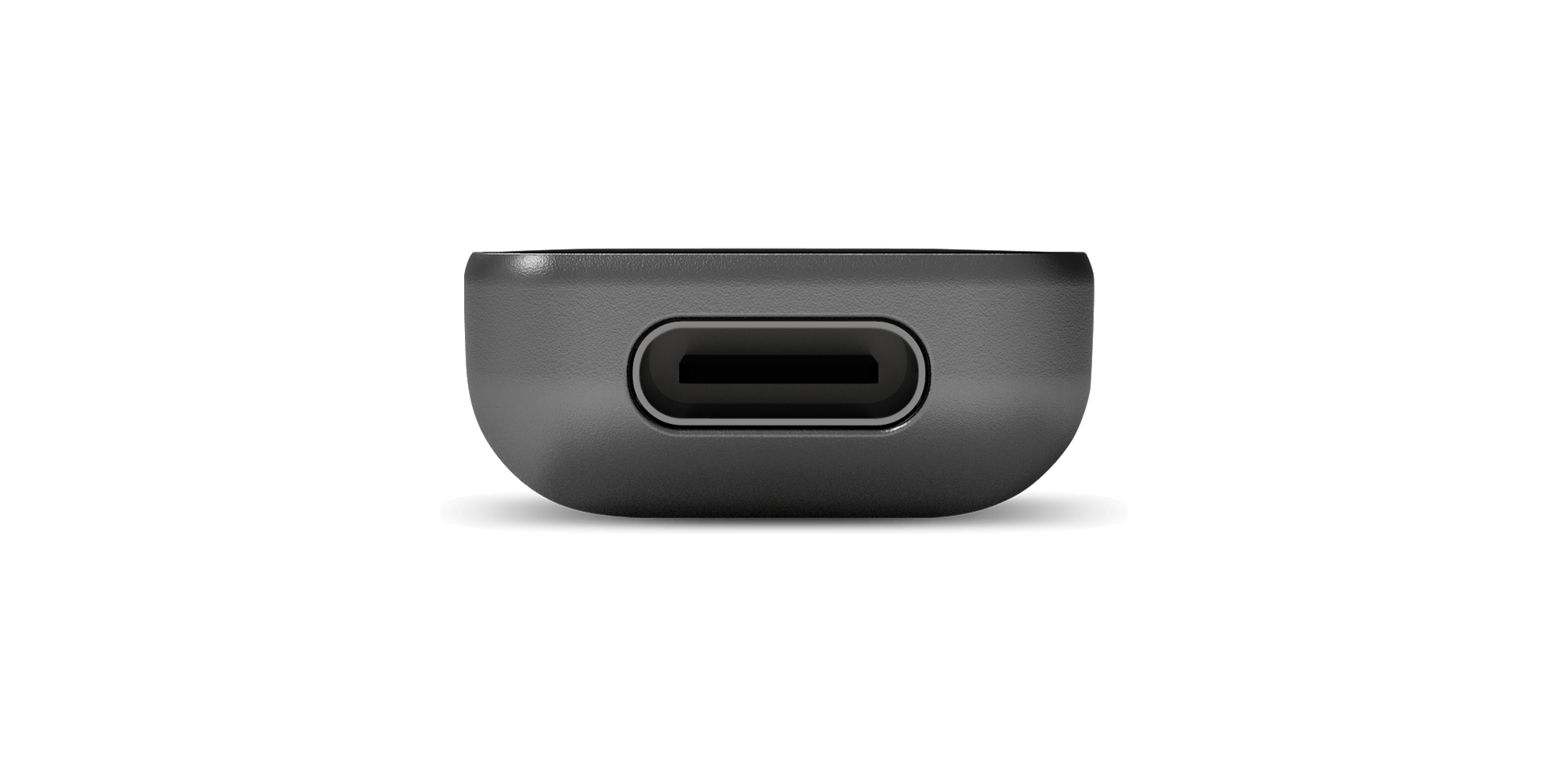
Plug and play on Windows, macOS, Linux, iOS, Android, PlayStation and Nintendo Switch. It uses USB Audio 1.0/2.0, so no drivers are needed.
- Audiophile-grade sound: flagship ESS DAC chip, dual master clocks, asynchronous USB
- High-resolution playback: PCM up to 32-bit/384 kHz, DSD64–DSD256
- Built-in DSP in any app and OS: Parametric EQ, AutoEq correction (FRC), Adaptive Loudness Compensation (ALC), Crossfeed, Surround, PCM/DSD Balance, Volume Limit
- 7 oversampling filters (linear- and minimum-phase), including a user-customizable one
- Drives IEMs to 600 Ω headphones: 2 Vrms output, with an optional 1 Vrms mode for sensitive IEMs
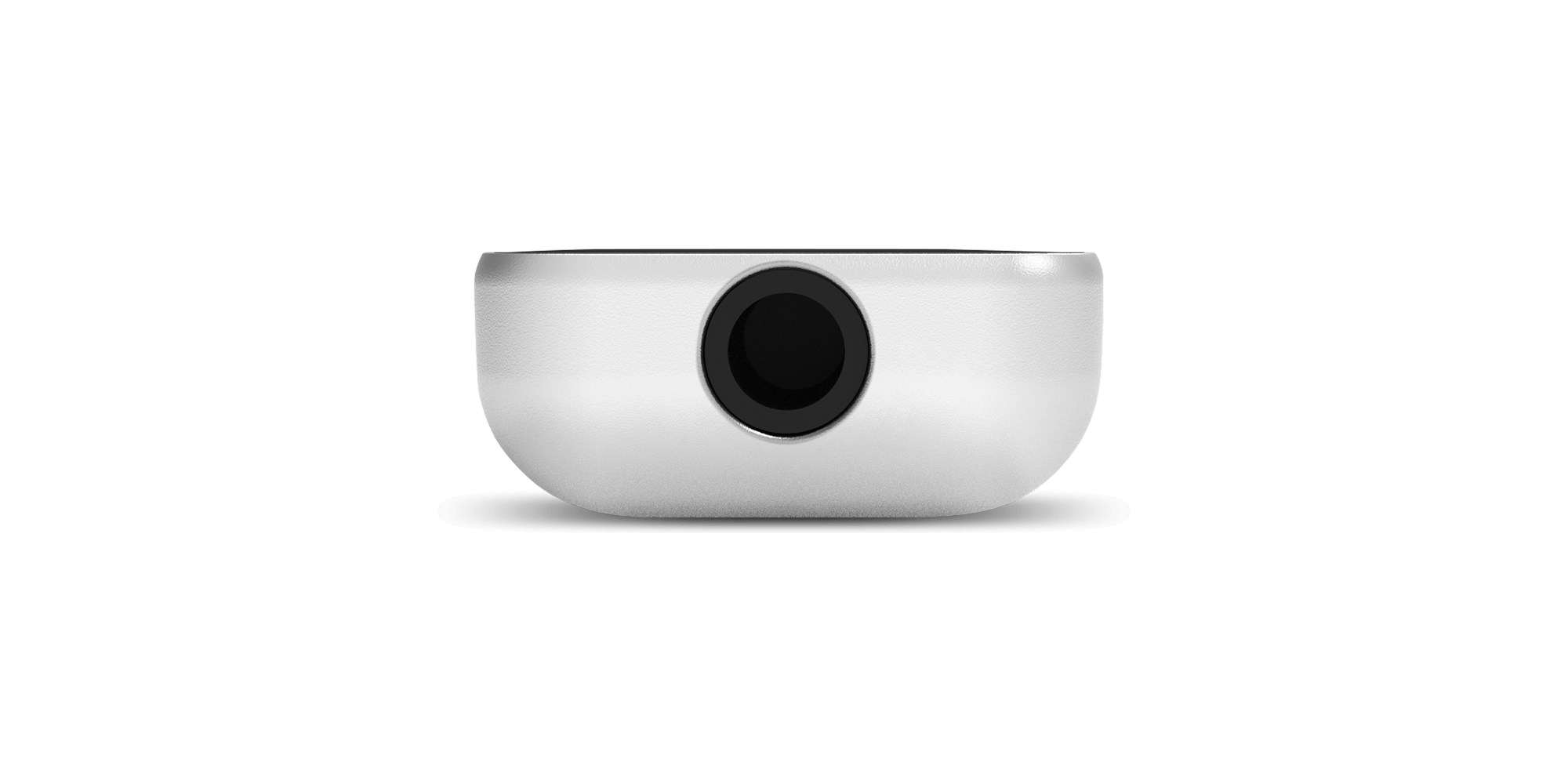
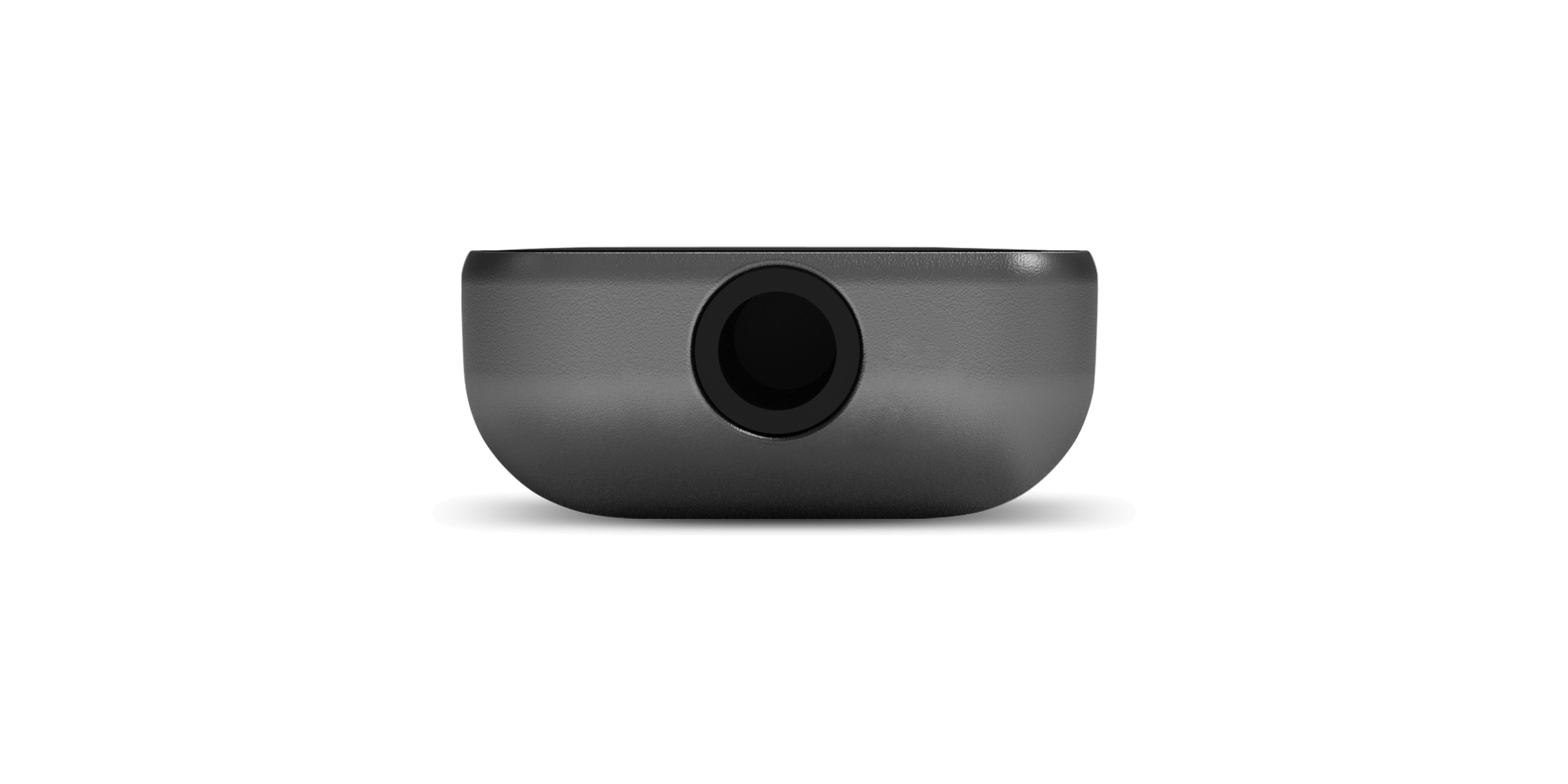
- 3.5 mm 24K gold-plated single-ended output
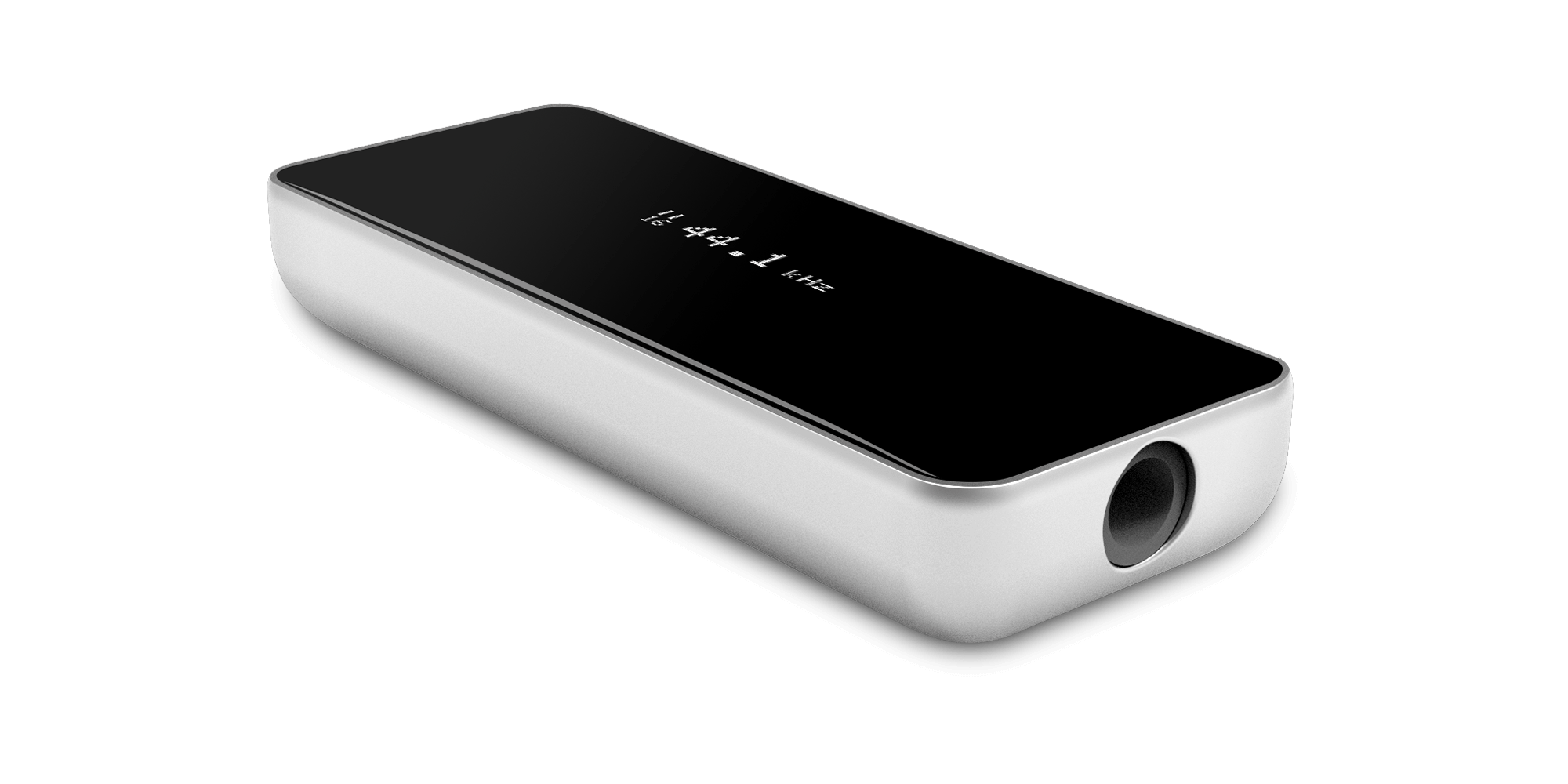
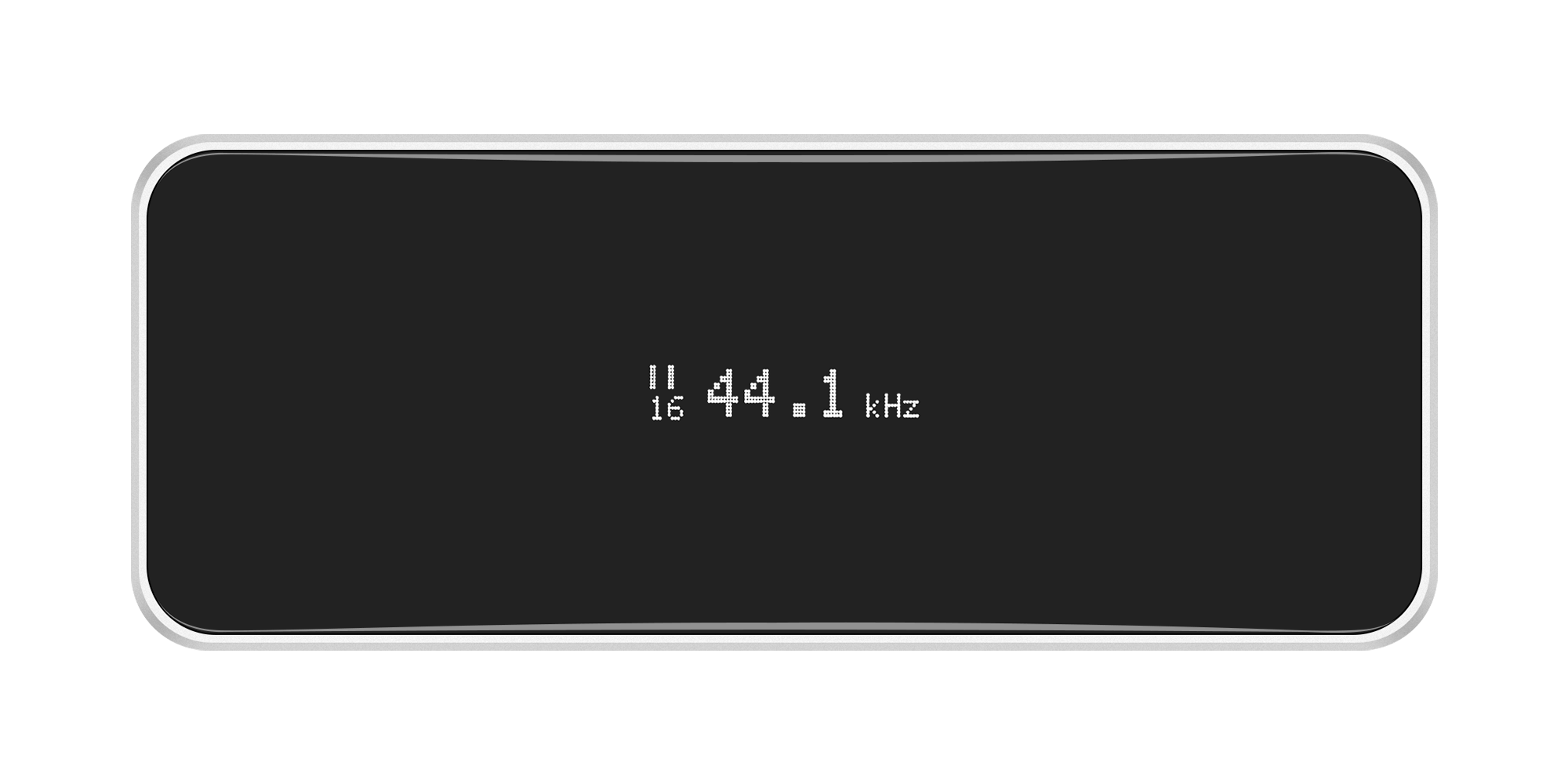
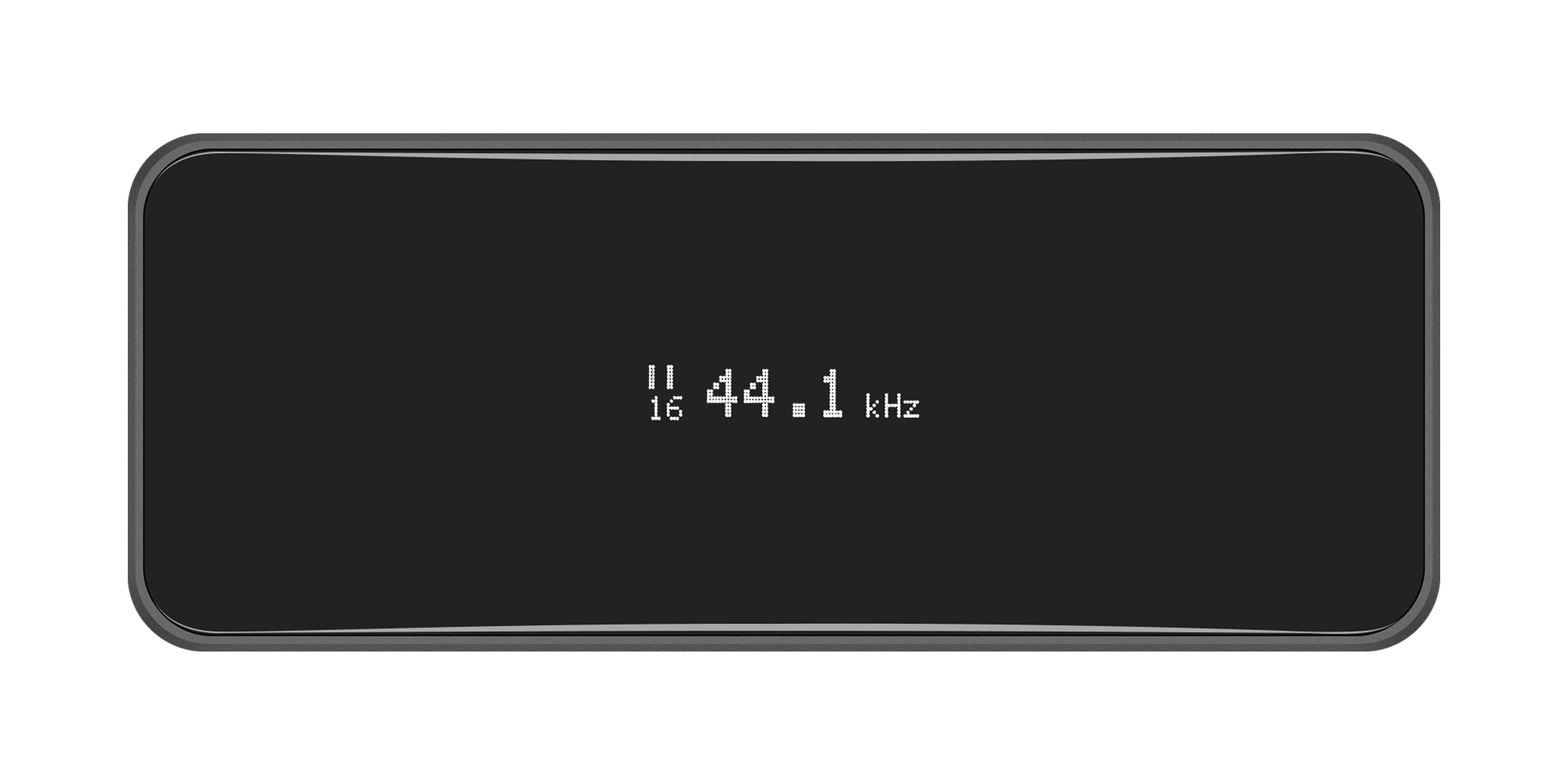
- OLED display showing the audio format and device state
- Controls: in-line mic and media buttons, plus virtual buttons by double-tapping the device
- Driverless: USB Audio 1.0/2.0, including PlayStation 4/5 and Nintendo Switch
- Battery-friendly: energy efficient, so it won't drain your phone
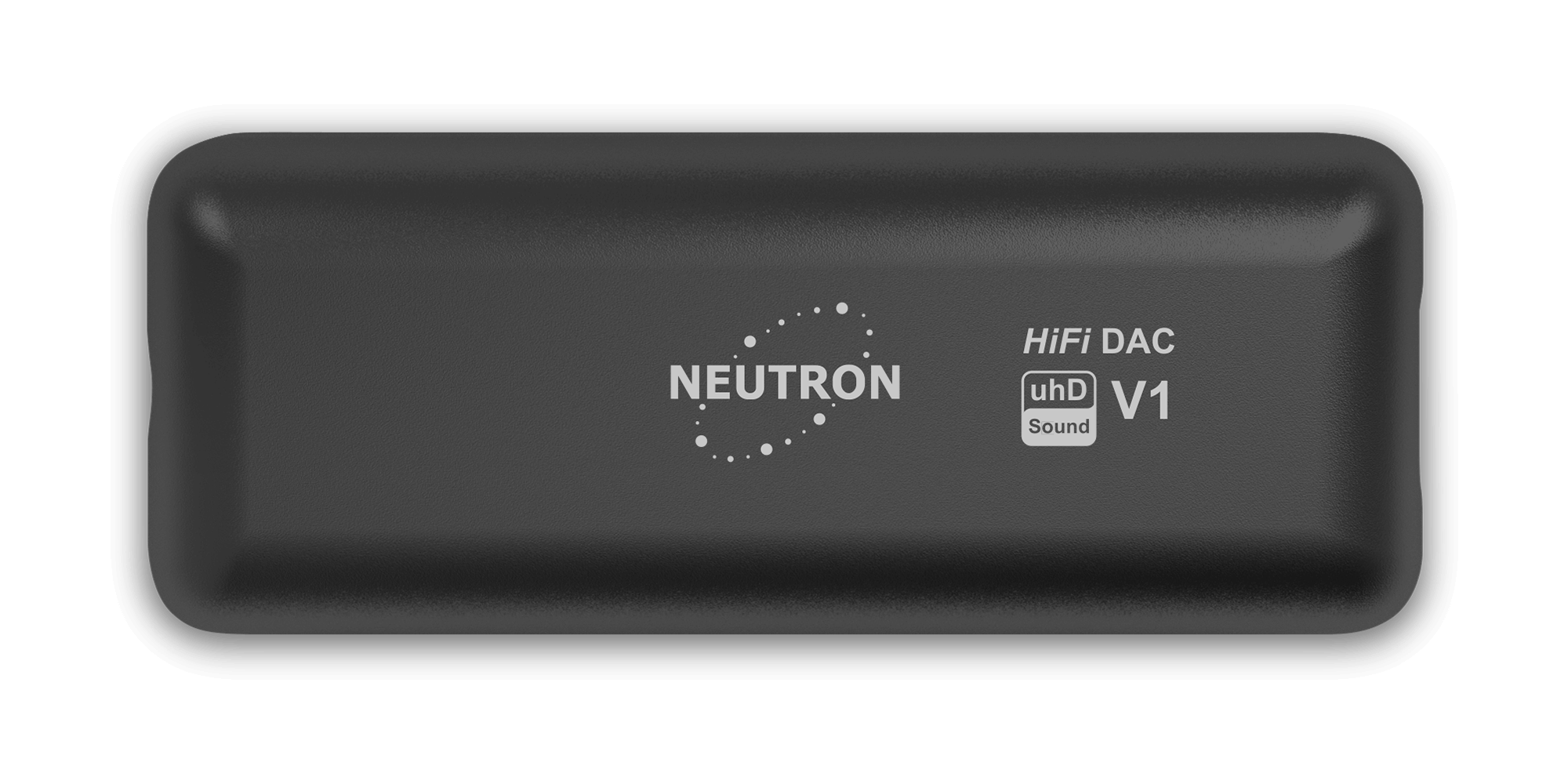
- Premium build: aluminum and Gorilla Glass 3
- Fully configurable with the NConfigurator app


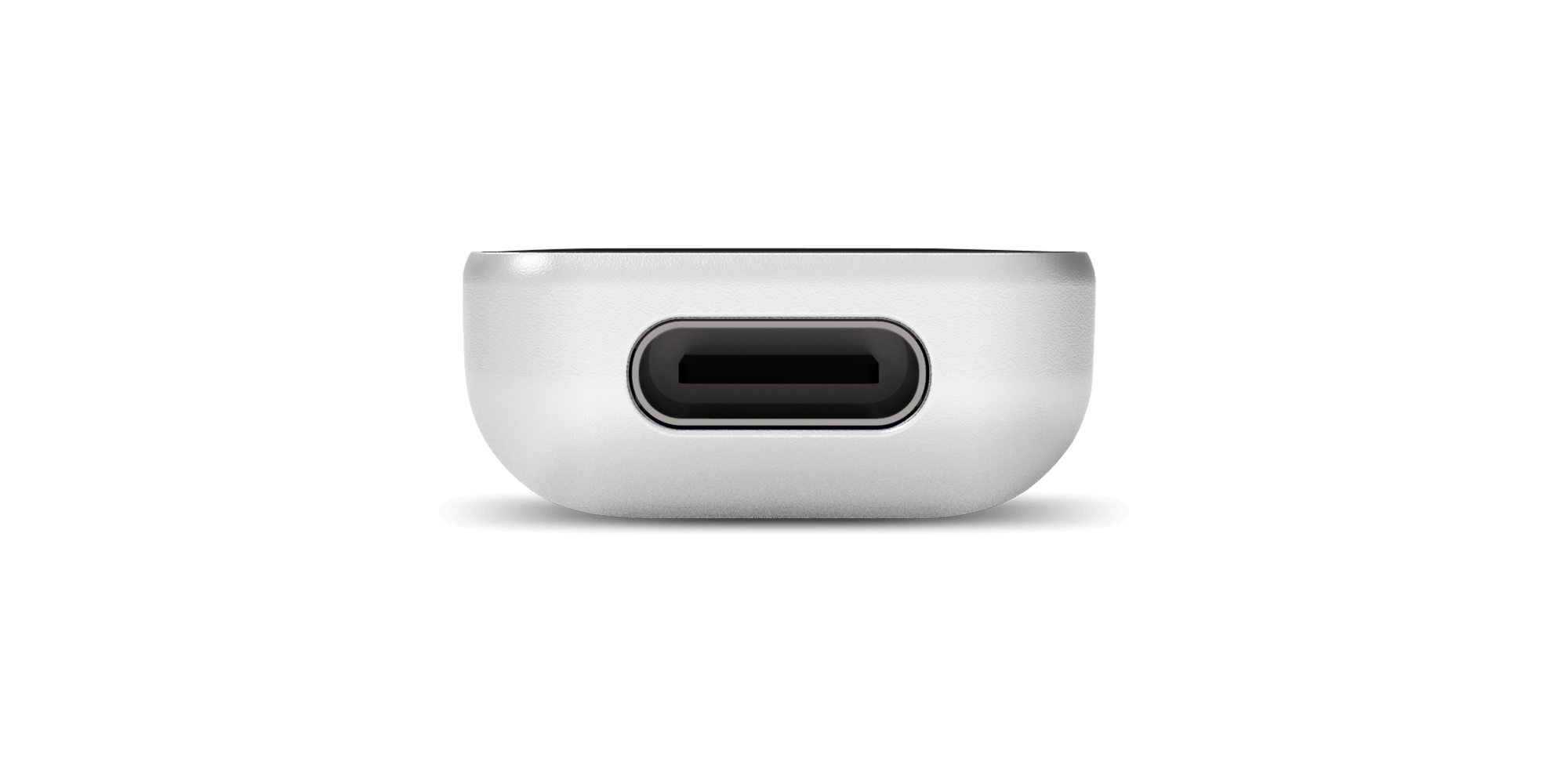
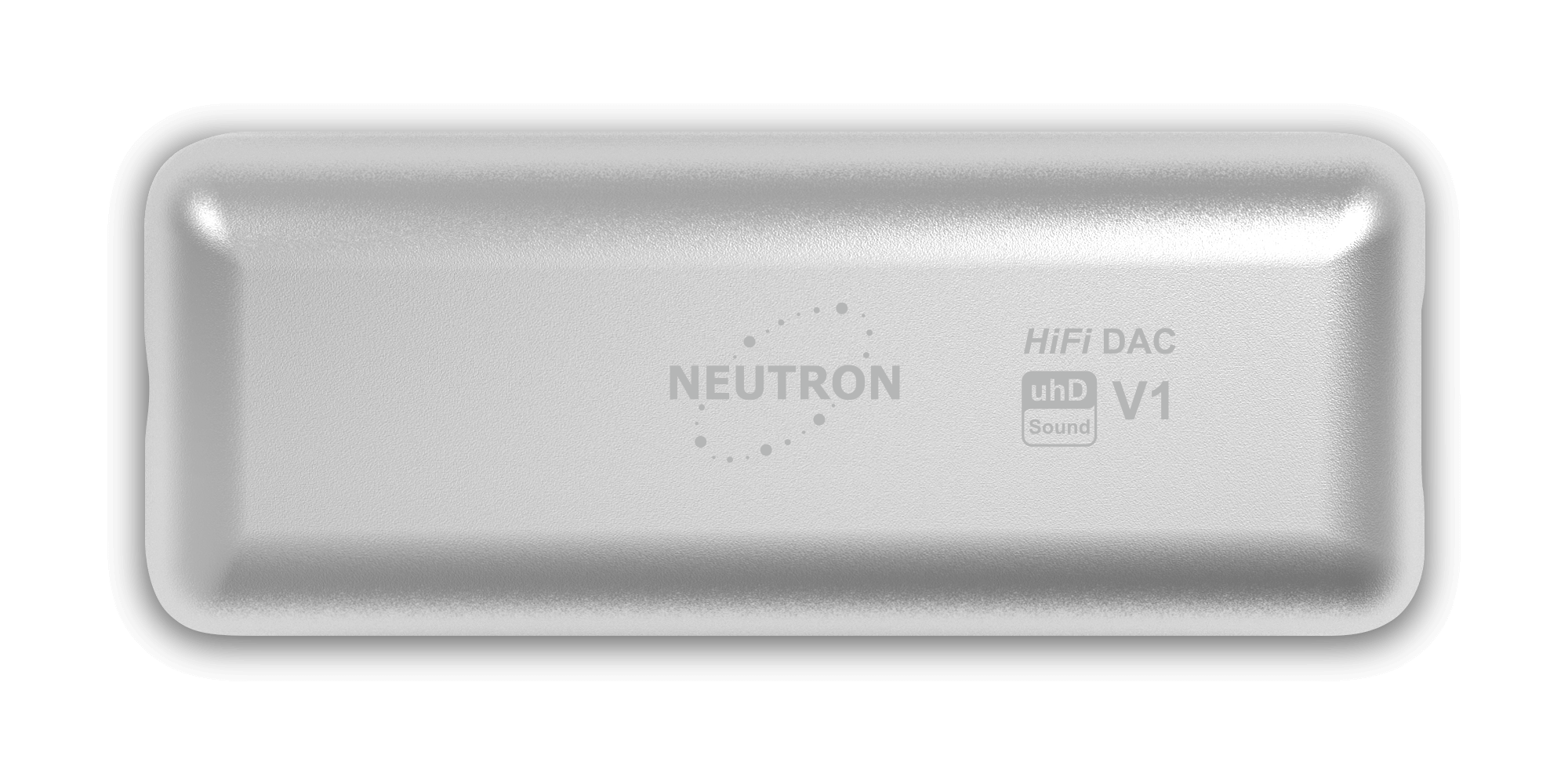










Perfection in every element
nothing overlooked
High resolution sound


Reliable & Smart

Informative display


Robust exterior
State of the art
hardware & firmware design
Digital and Analog
DAC V1 uses a flagship audio DAC chip from ESS Technologies, which provides the most pleasant stereo image and audio quality.
Digital design
- Eliminates audio glitches for seamless listening by delivering audio data consistently to all channels, from the USB bus to the DAC chip.
- Prevents noise caused by timing issues (jitter, skew).
Analog design
- Premium parts and advanced circuitry create pure, distortion-free audio.
- We unlock the full potential of the DAC chip and supporting components for an unmatched listening experience.
- All active components involved in audio signal reconstruction are powered by high-quality Japanese LDOs delivering ultra-low noise power.

Smart & Reliable
platform
Real-time NXP ARM Cortex-M4 MCU
Stable Audio Quality
The real-time system eliminates audible glitches and instability, and its fully deterministic behavior guarantees the highest possible audio quality.
Over-the-air updates (OTA)
Neutron HiFi firmware updates are delivered over the Internet by the NConfigurator companion app, so you always have the latest, flawless firmware.
Power Saving
For longer listening, we've developed smart power-saving features that extend your mobile device's battery life without compromising performance.

Audiophile
clocking mode
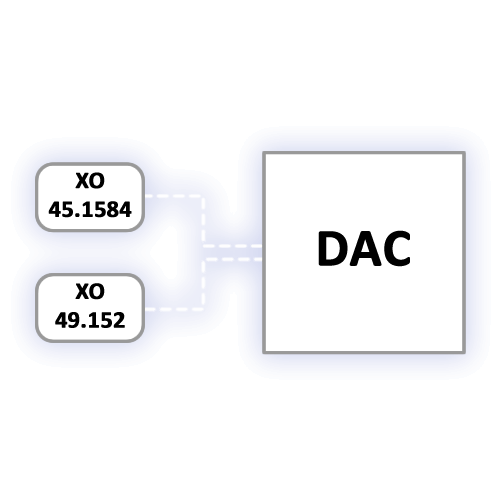
Dual Master Clock
Dual clocks are common in larger DACs and DAPs, but we brought them to the tiny DAC V1 so you never have to compromise on sound quality!
Clock: 45.1584 MHz
For tracks with sample rates of 44100, 88200, 176400, 352800 Hz
Clock: 49.152 MHz
For tracks with sample rates of 48000, 96000, 192000, 384000 Hz
Highest possible
audio precision
Ultra-low noise design
High-quality components
DAC V1 cuts no corners. Built with premium, ultra-low noise components exceeding industry standards, it delivers exceptional audio performance, remarkable durability, and virtually silent operation.
Intelligent routing
Our intelligent circuit design minimizes noise interference to ensure pristine audio quality. We carefully planned how components connect so that digital noise never affects the sensitive analog circuitry.

Drives
Pro Headphones
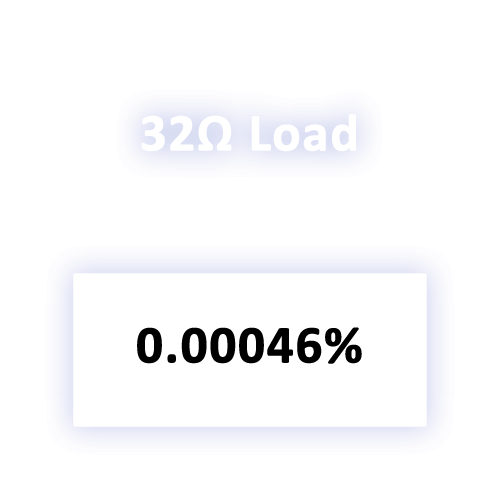
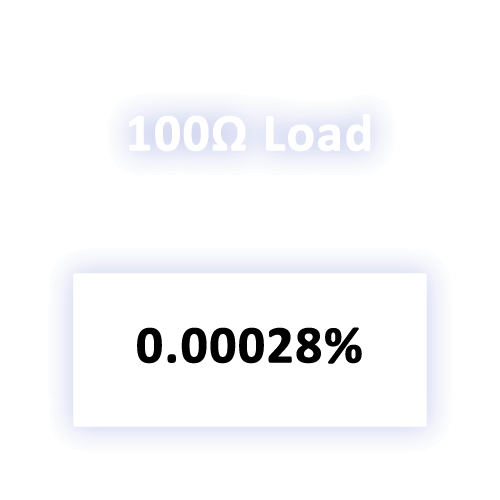
Based on independent measurements (ASR) showing 68 mW into 32 Ω and 14 mW into 300 Ω, the DAC V1 delivers enough clean power for the majority of modern headphones, including many planar-magnetics and most professional monitoring models. Because the DAC V1 supports 2 Vrms output and uses a high-fidelity, low-distortion output stage, it maintains clarity even at maximum drive levels.
The table below summarizes how the DAC V1 performs with a wide range of popular studio, audiophile and professional headphones. These are ideal matches, but not the only ones: if your headphones have similar specs, you're good to go!
| Headphone model | Impedance (Ω) | Sensitivity | Power @ 106 dB SPL | Driving notes (DAC V1) |
|---|---|---|---|---|
| Grado SR60 / SR80 / SR225e | 32 | 99.8 dB/mW | 4.2 mW | Easy drive. Well within DAC V1's 68 mW @ 32 Ω. Excellent headroom for peaks and EQ. |
| Meze 99 Classics / Neo | 26 | 103 dB/mW | 2.0 mW | Easy drive. Very sensitive — use low-gain or mid-volume. Well-controlled output with no noise floor issues. |
| Philips Fidelio X2HR / X3 | 30 | ~100 dB/mW | 4.0 mW | Easy drive. Comfortable match with ample headroom for home and studio monitoring. |
| Audeze LCD-GX | 20 | 100 dB/mW | 4.0 mW | Easy drive. Planar-magnetic but efficient. Solid peak headroom — no dedicated amp needed. |
| Sennheiser HD 560 S | 120 | 110 dB/V | 3.3 mW | Easy drive. Highly efficient for its impedance. DAC V1's 2 Vrms provides comfortable headroom for neutral reference monitoring. |
| Sennheiser HD 600 | 300 | ~97 dB/V | 26.5 mW | Near limit. DAC V1 measures ~14 mW into 300 Ω — reaches ~103–104 dB SPL. Excellent for moderate listening; a dedicated amp unlocks full dynamic range. |
| Sennheiser HD 650 / HD 6XX | 300 | ~103 dB/V | 6.7 mW | Good match. More sensitive than the HD 600 at the same impedance. DAC V1's ~14 mW measured easily clears the 6.7 mW target — a solid pairing. |
| Sennheiser HD 800 / HD 800 S | 300 | 102 dB/V | 8.4 mW | Good match. DAC V1's ~14 mW into 300 Ω clears the target. Reaches ~108 dB SPL. Keep EQ boosts moderate near the voltage ceiling. |
| Sennheiser HD 25 | 70 | ~102 dB/mW | 2.5 mW | Easy drive. Portable monitoring icon. Effortlessly driven with minimal power draw. Ideal for on-location or portable studio use. |
| Beyerdynamic DT 700 / 900 Pro X | 48 | 100 dB/mW | 4.0 mW | Easy drive. Low-impedance Pro X variant driven cleanly with good headroom for tracking and mixing. |
| Beyerdynamic DT 770 Pro (80 Ω) | 80 | 96 dB/mW | 10.0 mW | Good match. Studio workhorse. DAC V1 drives the 80 Ω version comfortably to full monitoring levels with headroom for transient peaks. |
| Beyerdynamic DT 770 Pro (250 Ω) | 250 | ~100 dB/V | 16.0 mW | Good match. DAC V1's 2 Vrms delivers ~16 mW into 250 Ω — right at the required level. Reaches 106 dB; keep EQ conservative for headroom. |
| Beyerdynamic DT 990 Pro (250 Ω) | 250 | ~100 dB/V | 16.0 mW | Good match. Same power profile as DT 770 Pro 250 Ω. The V1's low-distortion output avoids adding harshness to the DT 990's bright treble. |
| Audio-Technica ATH-M50x | 38 | 99 dB/mW | 5.0 mW | Easy drive. The ubiquitous studio monitor. Handled effortlessly with reserve for tracking and long mixing sessions. |
| Audio-Technica ATH-R70x | 470 | 99 dB/mW | 5.0 mW* | Borderline. Very high impedance (470 Ω) demands high voltage. Real-world DAC V1 output at 470 Ω will be lower than the 300 Ω spec. Expect near-maximum volume with limited headroom. A dedicated amp is recommended. |
| AKG K240 Studio | 55 | 91 dB/mW | 31.6 mW | Borderline. Low sensitivity demands significant power. Usable volume is achievable but headroom is slim. A headphone amplifier is advised for critical monitoring. |
| AKG K702 / K712 Pro | 62 | ~105 dB/V | 20.3 mW | Good match. Reference-class open-backs. DAC V1's 2 Vrms provides the necessary voltage swing for comfortable studio reference monitoring. |
| Sony MDR-7506 / V6 | 63 | 106 dB/mW | 1.0 mW | Easy drive. Exceptionally efficient — only 1 mW needed to hit 106 dB SPL. Ideal for portable monitoring; keep volume moderate to protect hearing. |
| Shure SRH840A | 40 | 102 dB/mW | 2.5 mW | Easy drive. Professional studio monitor driven cleanly and quietly, with extensive headroom for peak transients. |
| Shure SRH1540 | 46 | 99 dB/mW | 5.0 mW | Easy drive. Premium closed-back well within DAC V1's capabilities. The V1's low noise floor complements the SRH1540's resolving character. |
| Neumann NDH 20 | 150 | 103 dB/mW | 2.0 mW | Easy drive. Remarkable efficiency for 150 Ω. Minimal power needed — an excellent pairing for professional studio reference monitoring. |
| HiFiMAN Sundara | 37 | 94 dB/mW | 15.8 mW | Good match. Planar-magnetic with lower sensitivity than most dynamics. DAC V1's 68 mW into 32 Ω provides a comfortable margin — ample headroom for EQ and peaks. |
| HiFiMAN Edition XS | 18 | 92 dB/mW | 25.1 mW | Near limit. Very low impedance means high current demand. DAC V1 reaches ~110 dB SPL but operates close to its current ceiling. Use conservatively or add an amplifier for headroom. |
* ATH-R70x: mW figure assumes 470 Ω load; actual DAC V1 output at 470 Ω will be lower than the 300 Ω spec. | Power formula: dB/mW → P = 10^((106−S)÷10) mW | dB/V → V = 10^((106−S)÷20) Vrms, P = V²÷Z×1000 mW
IEM-friendly
with optional 1 Vrms mode
For high-sensitivity IEMs, the 2 Vrms output can provide more power than needed, making the volume control overly sensitive and increasing the risk of listening fatigue or even hearing damage. Switching to 1 Vrms mode with the NConfigurator app effectively halves the output voltage, giving you finer volume control and safer listening levels, while still delivering the DAC’s full sonic clarity.
Below is a selection of popular professional IEMs and how they pair with the DAC V1’s measured output power. It demonstrates that even very sensitive IEMs are well‑matched — and the low‑gain (1 Vrms) mode offers a refined driving option for ultra‑sensitive monitors.
| IEM model | Impedance (Ω) | Sensitivity (dB/mW) | Power @ 110 dB SPL | Driving notes (DAC V1) |
|---|---|---|---|---|
| Shure SE846 | 9 | 114 | 0.40 mW | Easy drive. Barely any power needed. Use 1 Vrms output mode for fine volume control and to avoid clipping the volume knob at low positions. |
| 64 Audio U12t | 10 | 114 | 0.40 mW | Easy drive. Excellent match. Very sensitive — 1 Vrms output mode provides safer, more manageable listening levels with better channel balance at low volumes. |
| Campfire Audio Andromeda 2020 | 12 | 112 | 0.63 mW | Easy drive. Plenty of headroom. Low-gain / 1 Vrms mode recommended — the Andromeda is famously sensitive to output impedance and noise floor. |
| Westone UM3X | 14 | 102 | 6.31 mW | Easy drive. Lower sensitivity than most IEMs here but still comfortably within DAC V1's output. Volume control remains manageable at both 1 and 2 Vrms modes. |
| Sony IER-M9 | 16 | 104 | 3.98 mW | Easy drive. Good match for professional in-ear monitoring. Use 1 Vrms mode to avoid jumping to excessive SPL at low volume positions. |
| Audeze LCD-4z IEM | 20 | 110 | 1.00 mW | Easy drive. Planar-magnetic IEM with efficient sensitivity. Driven easily with ample headroom even at low gain. A clean, revealing pairing with the V1's low-distortion output stage. |
| Campfire Audio Solaris 2020 | 12 | 109 | 0.79 mW | Easy drive. Effortless to drive. Hybrid driver design benefits from the V1's low output impedance. Low-gain mode optional for finer volume control. |
| 64 Audio tia Fourté | 10 | 114 | 0.40 mW | Easy drive. Extremely sensitive flagship. Use 1 Vrms mode exclusively to avoid overly loud peaks and to keep the volume knob in a usable range. |
| Unique Melody MEST | 15 | 110 | 1.00 mW | Easy drive. Well matched. Quad-driver hybrid driven comfortably with the DAC V1. Excellent channel balance across both output modes. |
| 64 Audio U18t | 11 | 115 | 0.32 mW | Easy drive. The most sensitive IEM in this table. Barely 0.32 mW needed — use 1 Vrms mode exclusively for precise volume control and to protect hearing. |
All IEMs use dB/mW sensitivity. Power formula: P = 10^((110 − S) ÷ 10) mW | Target SPL: 110 dB | All figures assume resistive load; actual impedance curves may vary.
Tip: For very high-sensitivity IEMs (100+ dB/mW, <20 Ω), start with 1 Vrms mode and set a comfortable listening volume. You’ll still have plenty of headroom for peaks. 110 dB SPL is used as a standardized reference for comparing IEM power requirements. For safe listening, typical levels are 70–85 dB SPL, which require significantly less power and provide ample headroom.
Driverless operation
USB Audio 1.0/2.0 compliant
Plug-and-Play with any USB host
DAC V1 fully complies with USB Audio Class 1 (UAC1) and USB Audio Class 2 (UAC2) standards, ensuring native compatibility with USB hosts—no additional drivers required.
It works seamlessly with Windows, macOS, Linux, iOS, Android, and any other operating system that supports UAC1 or UAC2. Simply connect DAC V1 to your device and it is recognized immediately as a standard sound card.
DAC V1 also works with popular game consoles, including Sony PlayStation 4/5 and Nintendo Switch (generations 1 and 2), operating in pure UAC1 mode for maximum compatibility.
No installation, no configuration, no delays: DAC V1 is ready for instant, hassle-free playback, delivering a truly plug-and-play experience.

Built-in DSP
for any audio content
Legendary Neutron HiFi DSP
By default, DSP is inactive and DAC V1 operates in audiophile bit-perfect mode. DSP can be activated and managed via the NConfigurator app.
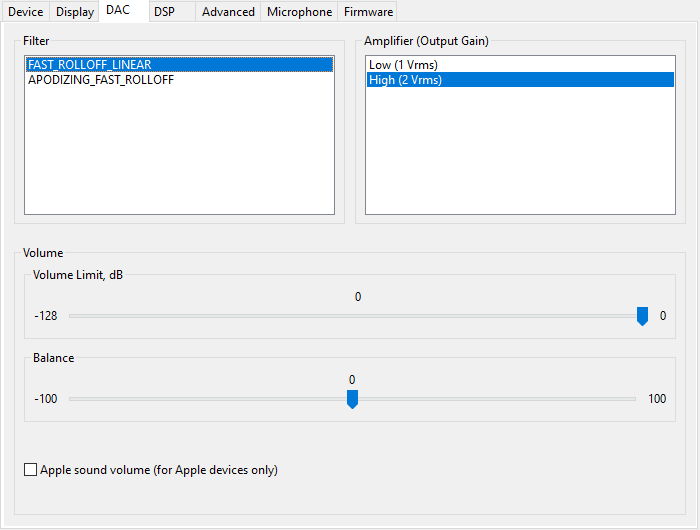
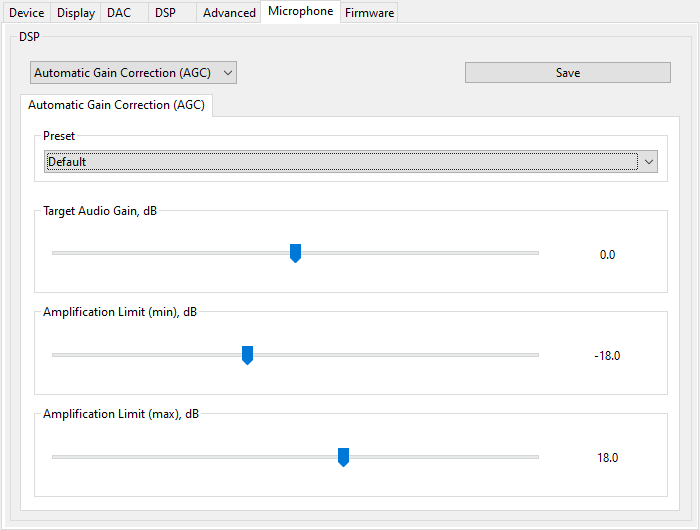
Parametric EQ (PEQ)
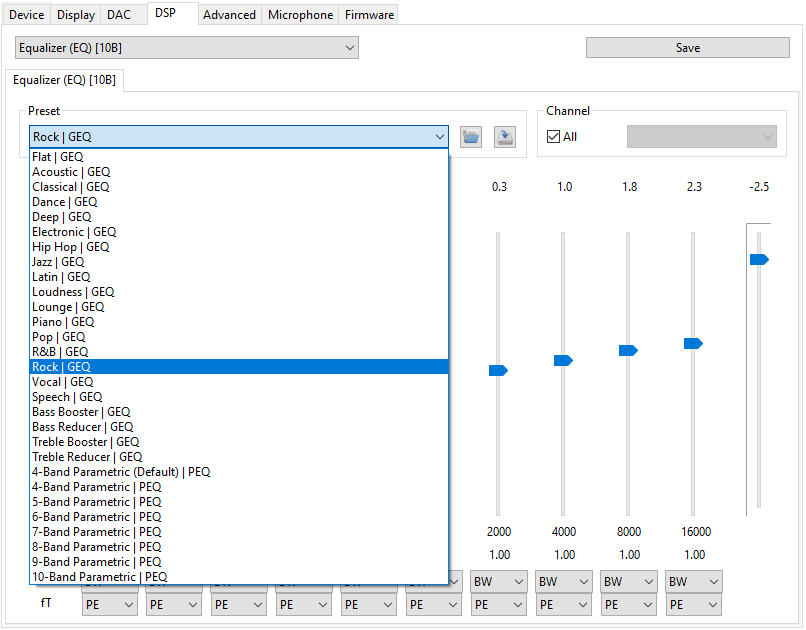
Fine-tune your listening with DAC V1's powerful 10–40 band per-channel Parametric EQ (PEQ). Adjust each channel for a personalized soundstage, or choose from a variety of presets optimized for different music genres.
Adaptive Loudness Compensation (ALC)
Automatically adjusts the frequency balance (boosting low and high frequencies) according to the playback volume, maintaining a consistent, natural tonal balance at any level and compensating for how human hearing changes at low volumes (equal-loudness contours, ISO 226:2003/ISO 226:2023).
Crossfeed
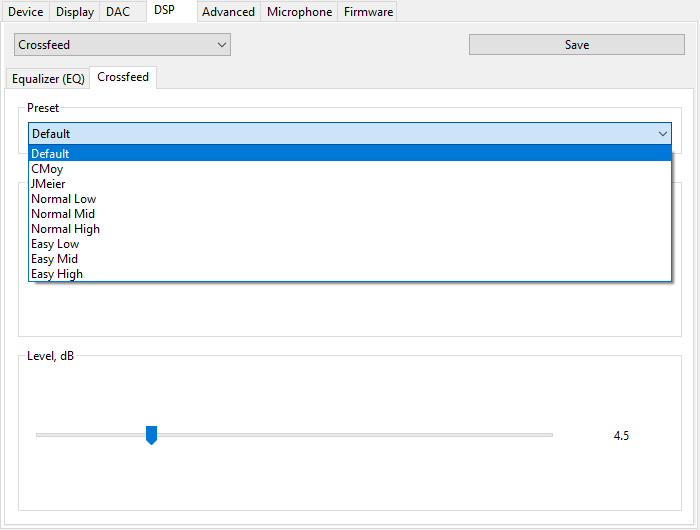
Crossfeed DSP mimics the natural sound experience of listening to speakers in a room. By subtly blending the left and right channels, it creates a wider, more natural stereo image that's easier on your ears during extended listening sessions.
Surround
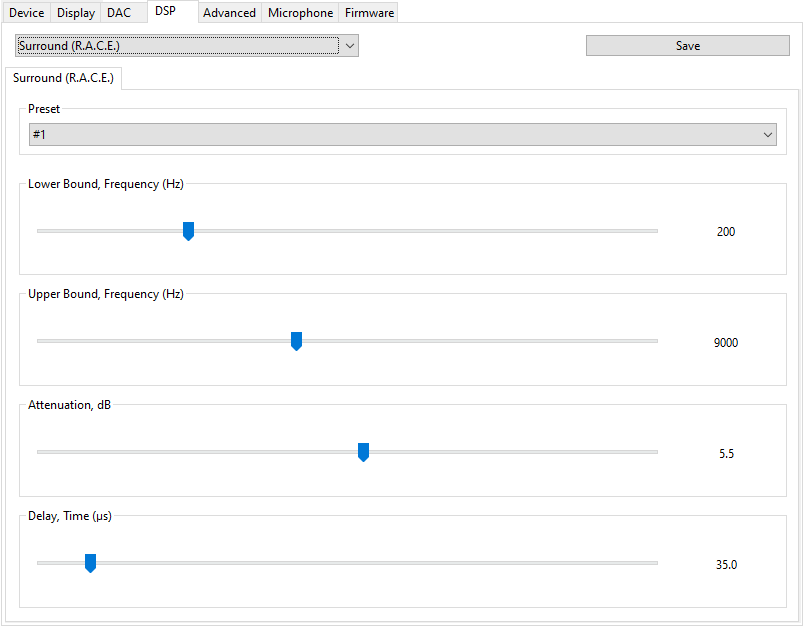
Surround DSP is based on the Ambiophonics R.A.C.E. algorithm. It creates a surround effect for any music content played through external speakers. Ambiophonics R.A.C.E. is a special technology that works with regular stereo speakers to create a wider, more immersive listening experience.
Frequency Response Correction (FRC)
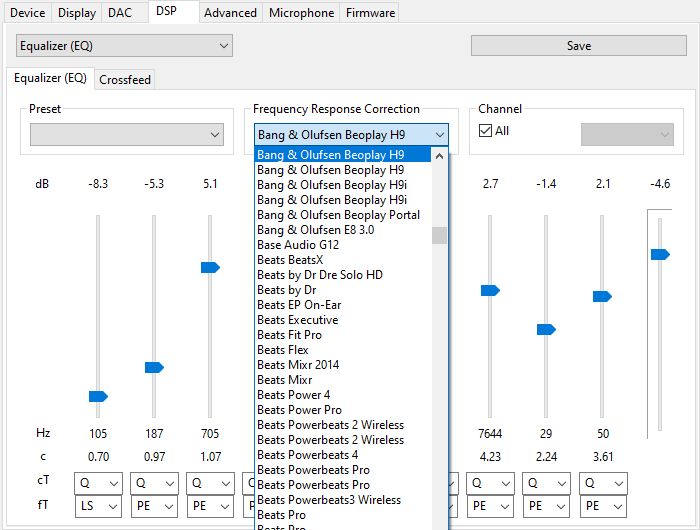
DAC V1 corrects frequency response inconsistencies in headphones. It uses the massive AutoEq database of thousands of headphone profiles to automatically tailor the sound to your specific model, ensuring a balanced, accurate listening experience across all frequencies.
DSP Effect Chaining
DAC V1 can run multiple DSP effects simultaneously (DSP chaining). See the DSP Mode Max Frequency table for available combinations.
NOS mode
Non-Oversampling (NOS) mode is activated automatically for audio sampled at 384 kHz. It bypasses the DAC chip's standard digital filtering to eliminate pre-ringing and phase distortion, delivering remarkably natural, fatigue-free sound.
Personalized audio
to please your hearing
Neutron HiFi DSP is caring for you
Hear music exactly how you like it. DAC V1 recognizes that everyone hears differently. Its advanced DSP lets you personalize the sound to suit your unique hearing and preferences. No more unpleasant tones or an unbalanced stereo image – just pure listening enjoyment.
Per channel EQ
Does your hearing favor certain tones? With DAC V1's Parametric EQ, you can tailor the sound to your preferences! Easily adjust the frequency response in each channel for a personalized listening experience.
Lossless Balance
Fine-tune your lossless listening. Adjust the PCM/DSD balance without sacrificing pristine sound quality, for a perfectly personalized soundstage that leaves the original audio untouched.

Versatile & Revolutionary
media controls
Control media playback easily
DAC V1 supports the standard 3-button in-line headset media controller. We went even further: you can also control playback by simply double-tapping the device enclosure with a finger – no fragile buttons, just tap the device!
Headset
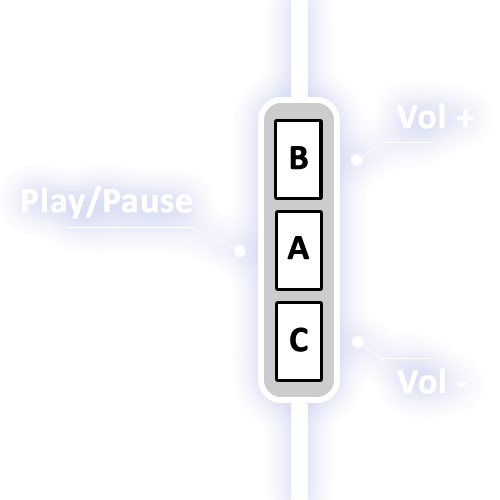
DAC V1 supports an in-line 3-button media controller with Volume +/– and Headset/Play/Pause buttons. The implementation fully complies with the Android AOSP requirements (see Figure 3).
Double-tap action
Thanks to its internal accelerometer, DAC V1 supports double-tap actions. Double-tap the top, bottom or any side of the device to trigger a media action assigned via the NConfigurator app: Next, Previous or Pause, in addition to the headset's media buttons.

Informative
display
Know your audio output format
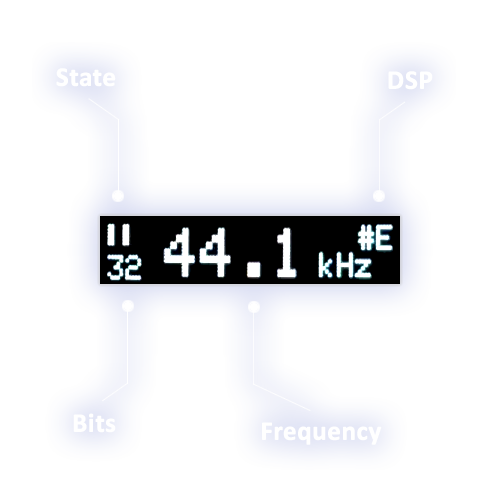
DAC V1's clear OLED display keeps you informed about the output format and device status, ensuring you're always in control of your listening experience.
Bits
Bit depth reflects the granularity of audio data. More bits mean better audio quality (finer granularity, lower quantization noise). DAC V1 supports all common bit depths: 16, 24 and 32 bits.
Frequency
Frequency reflects the density of audio data. Higher density means higher audio quality. DAC V1 supports multiples of 44.1 kHz up to 352.8 kHz and multiples of 48 kHz up to 384 kHz.
State
Stay informed with DAC V1's OLED display! It clearly shows whether DSP effects are on, so you know when you're in bit-perfect mode for the purest sound. It also indicates playback status, so you can see at a glance whether audio is playing.
Configurable
display
Convenient indication
See clearly, anywhere. DAC V1's intelligent display can be adjusted to your environment with convenient modes such as inversion, static brightness and even automatic rotation.
Inversion
Perfect for any lighting! DAC V1's display offers a sleek black-on-white mode for easy reading in bright environments or to match your design preferences.
Auto-Orientation
Always in view! No matter how you hold DAC V1, the built-in sensor automatically adjusts the display for perfect readability.
Configurable Orientation
Prefer a fixed view? DAC V1 lets you customize the display orientation through the NConfigurator app. Simply disable auto-rotation and choose your preferred orientation.




Stylish
accessories
Packed with custom accessories
Indulge your audiophile spirit with premium accessories designed to complement your DAC V1.
Genuine Leather Case
Luxurious genuine leather cases are available for unmatched protection and a touch of elegance, in 5 colors: Black, Red, Green, Blue Grey and Pink!
Professional USB cable
Custom USB cables with 24K gold-plated connectors complement DAC V1, adding a statement piece to top-notch performance.

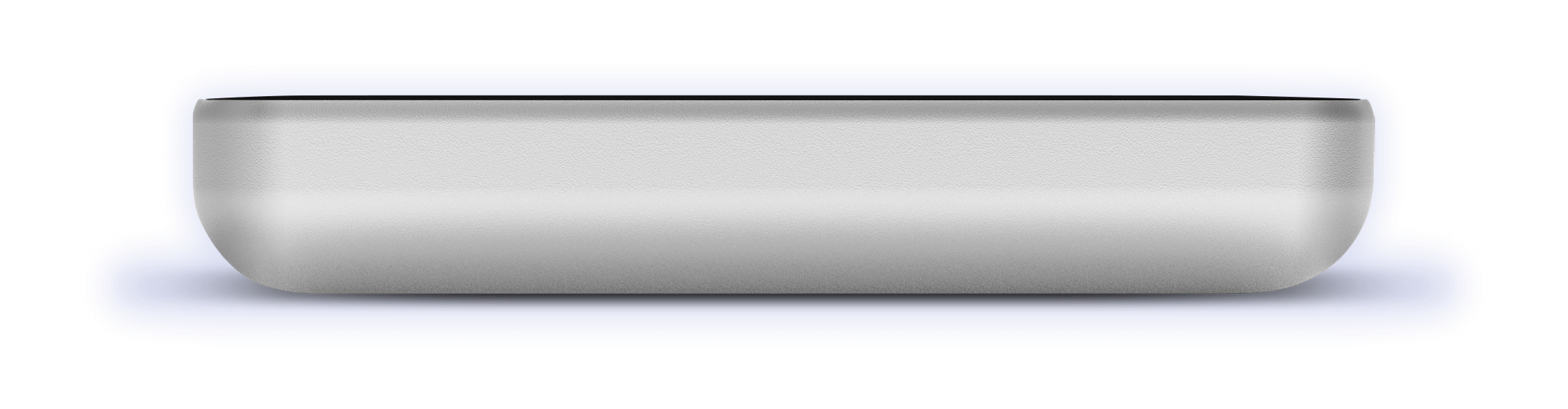
Aesthetic design
practical and functional
The same in
Iron grey
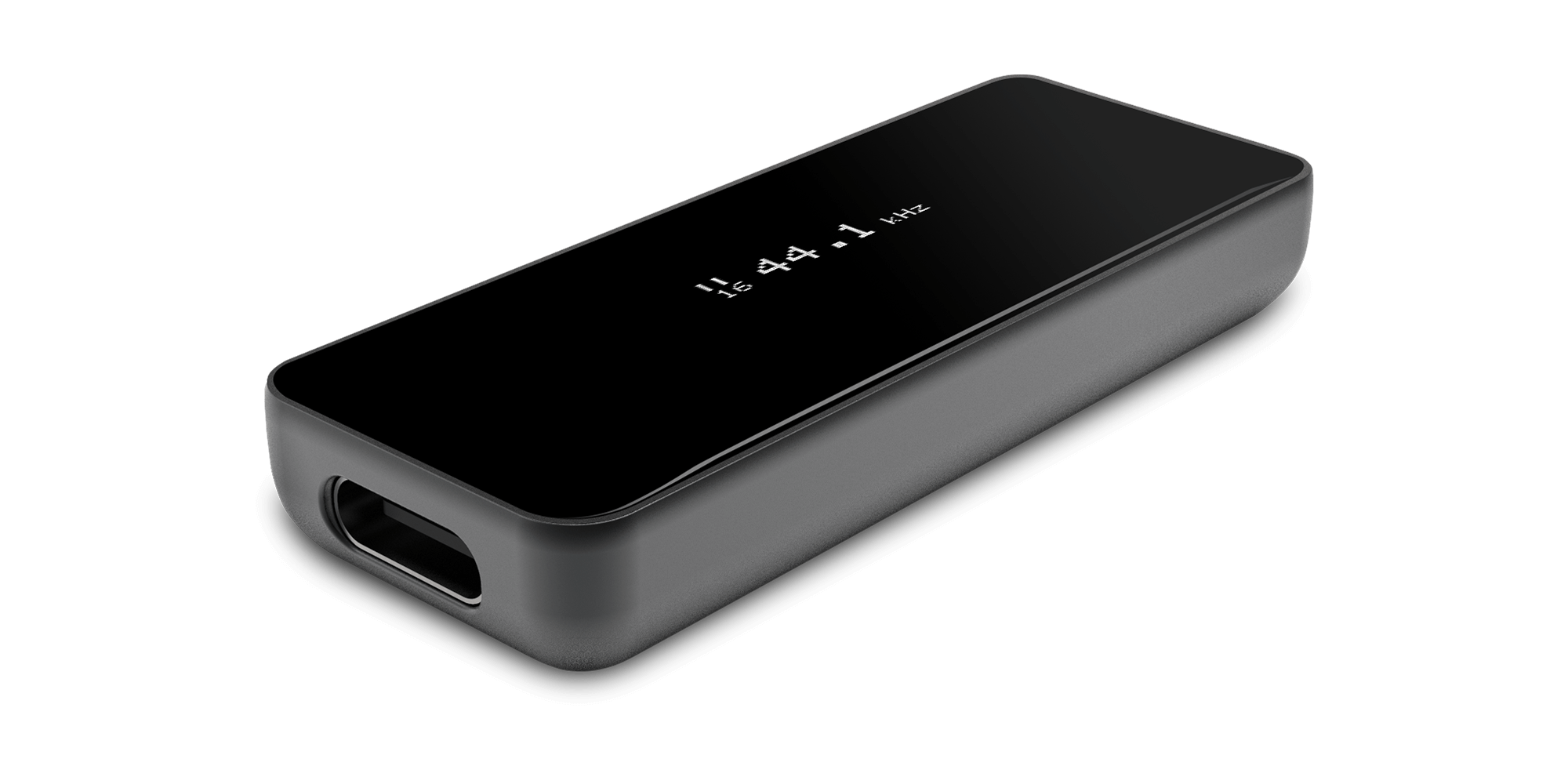
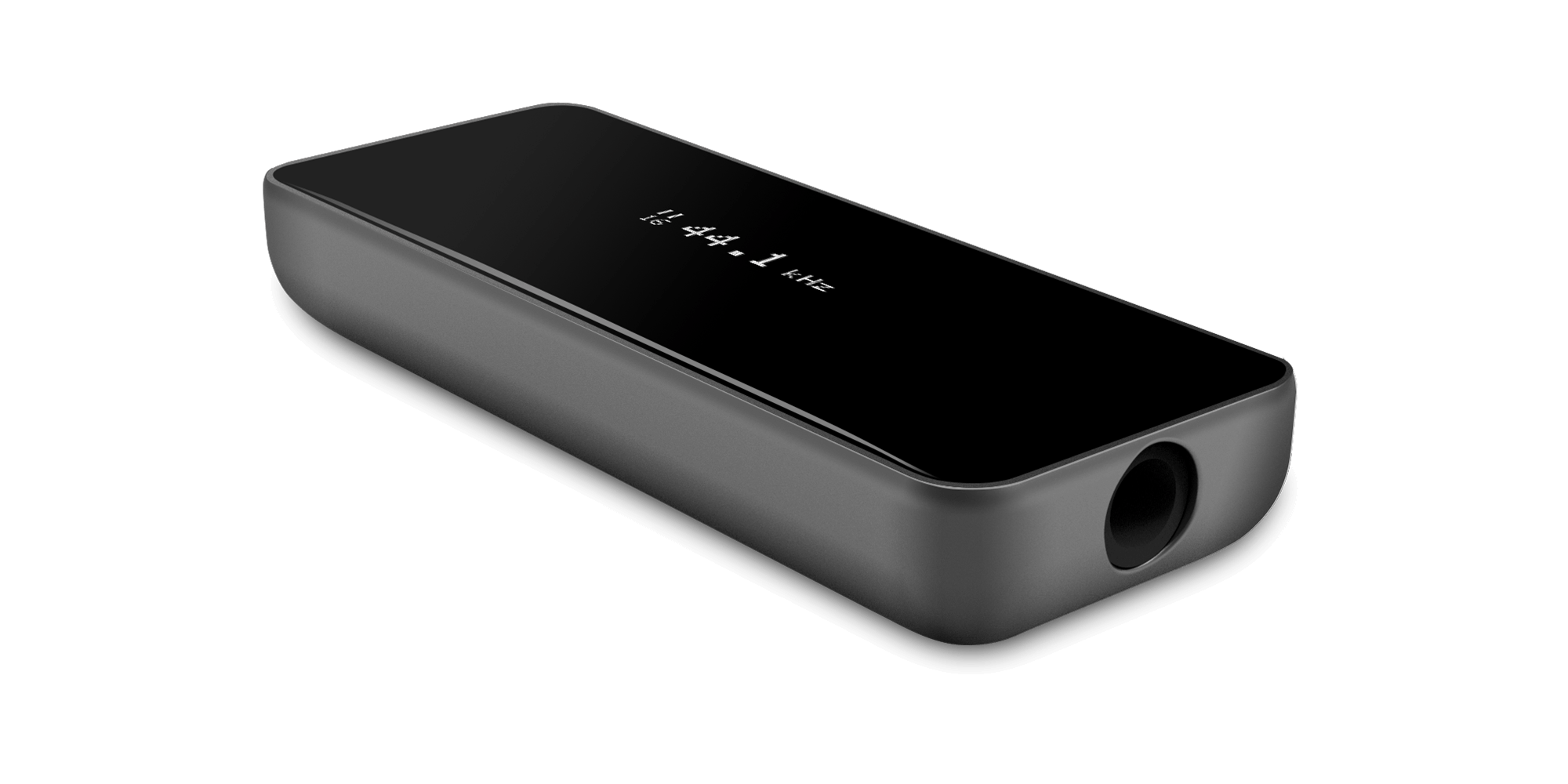
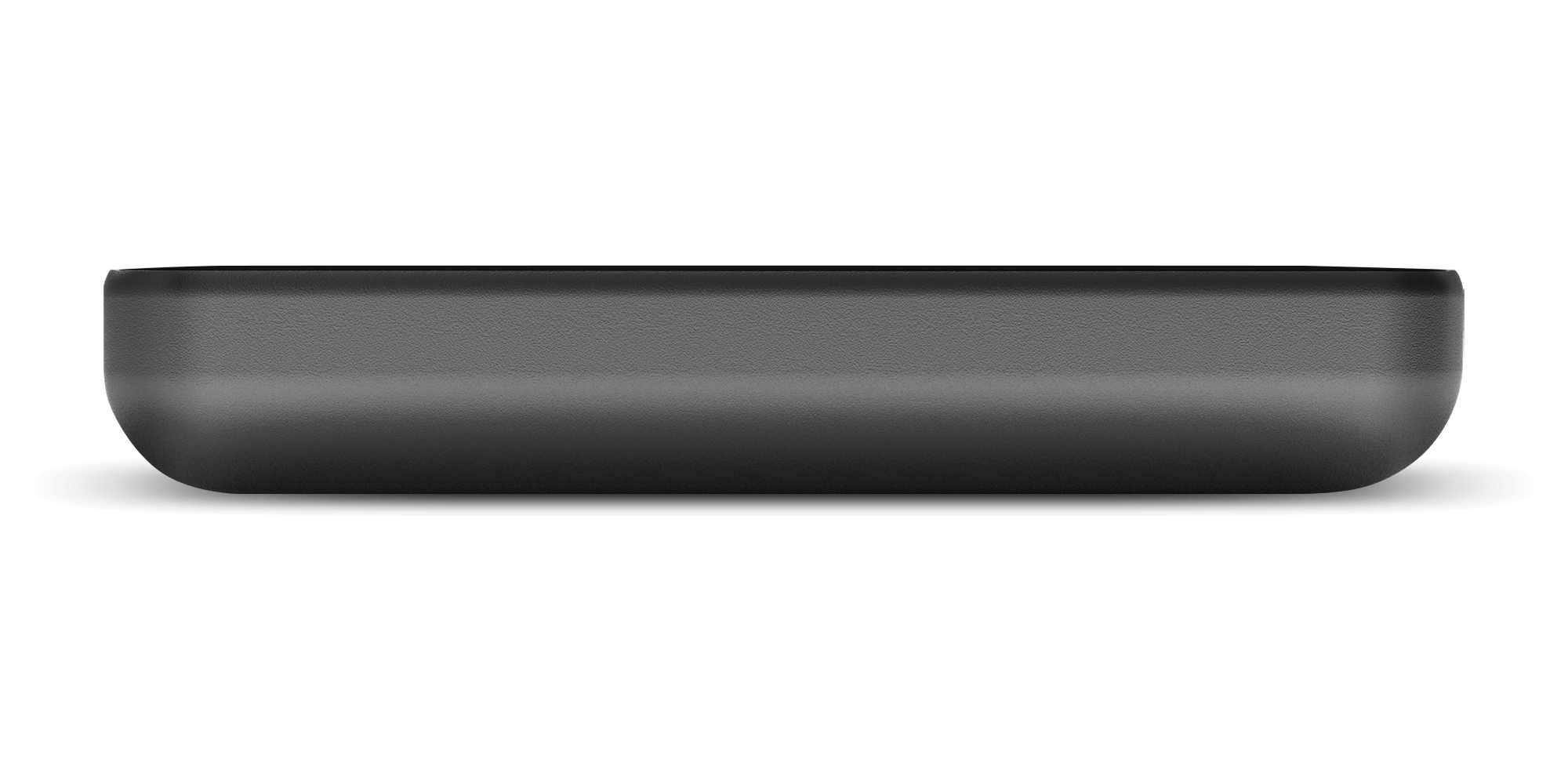
Advanced & Serious
but always your friend!





Verified
Hi-Fi Audio Performance
FAQ
Neutron HiFi™ DAC V1 is a USB 2.0 and USB Audio 2.0 compliant device. It is compatible with all host devices that support these standards, including Windows, Linux, macOS, iOS and Android.